


 >
>


What Is Precision Machining?
By hqt
Aug 24, 2026
Related Posts

How to Improve Precision Cutting Efficiency: A Full-Link Solution for Process Optimization and Intelligent Manufacturing
2026-09-18<

CNC Prototype Machining Guide: Turning Concepts into Precision Parts
2026-09-15<

How CNC Achieves Micron Accuracy
2026-09-08<

Precision Machined Components Corrosion Control Guide
2026-09-03<
Precision machining is a high-accuracy manufacturing process that removes excess raw material from a workpiece to create finished components with extremely tight tolerances and complex geometries. Operating at dimensional tolerances routinely within ±0.002 mm or tighter, precision machining converts metals, alloys, and advanced plastics into critical parts where exact specifications are paramount for functionality and safety.
By combining advanced computer numerical control (CNC) technology, cutting-edge tooling, and strict environmental controls, precision machining ensures that each component meets rigorous engineering standards across both small-batch prototypes and high-volume production runs.
Core Technologies in Precision Machining
Modern precision machining relies on several specialized subtractive manufacturing processes to achieve micro-level accuracy across various material types:
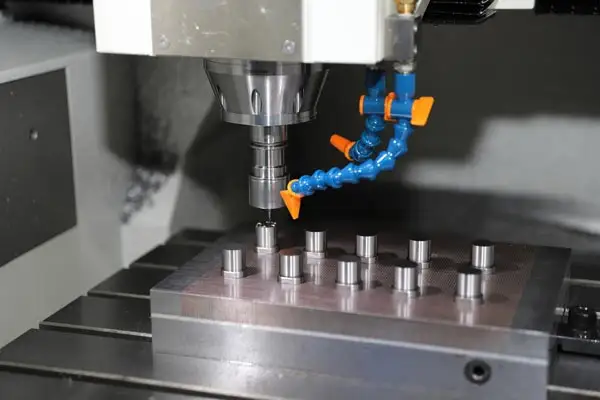
- CNC Milling and Turning: Multi-axis CNC milling machines and turning centers utilize computer-guided cutting tools to create complex contours, holes, threads, and smooth surface finishes with minimal human intervention.
- Electrical Discharge Machining (EDM): Wire EDM and sinker EDM use controlled electrical discharges to erode conductive materials. This process shapes ultra-hard materials, such as tungsten carbide and hardened tool steels, without applying mechanical force.
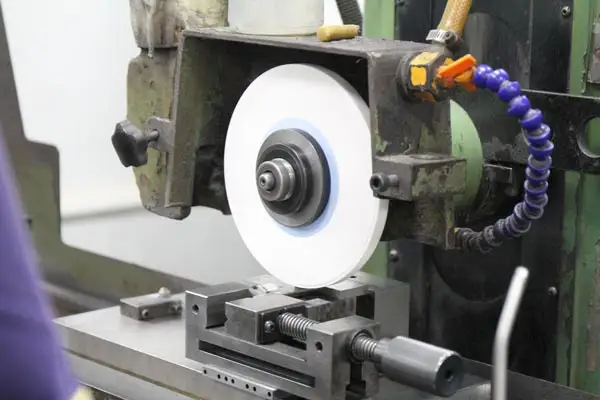
- Precision Grinding: Surface, cylindrical, and centerless grinding operations remove minute layers of material using abrasive wheels to deliver flat surfaces, tight roundness tolerances, and fine surface finishes.
- Swiss Machining: Specialized Swiss-type CNC lathes hold workpieces near the tool support point, enabling high-precision turning of small, long, or thin cylindrical components with virtually zero deflection.
Key Advantages of Precision Machining
Adopting precision machining offers critical operational and structural benefits for demanding manufacturing applications:
- Micron-Level Tolerances: Guarantees precise fitting and seamless interchangeability of components within high-performance mechanical assemblies, reducing friction and operational wear.
- Broad Material Compatibility: Accommodates a wide range of industrial materials, including stainless steel, titanium, aluminum, copper alloys, engineering plastics (such as PEEK), and cemented carbide.
- High Repeatability and Consistency: Automated CAD/CAM integration allows CNC equipment to produce thousands of identical parts without dimensional drift, lowering defect rates.
- Enhanced Part Longevity: Superior surface finishes and accurate stress distribution extend the operational lifespan of parts subjected to heavy mechanical load or extreme environments.
Critical Applications Across Industries
Precision machining serves as the foundation for manufacturing critical supply chains where part failure is not an option:
- Medical Devices: Manufacturing surgical instruments, orthopedic implants, diagnostic hardware components, and fluid delivery devices requiring strict biocompatibility and zero-defect quality.
- Aerospace and Defense: Producing fuel nozzles, turbine engine components, landing gear actuators, and structural housings designed to endure intense temperatures and pressures.
- Automotive and EV Systems: Crafting high-pressure fuel injection systems, transmission shafts, sensor housings, and electric vehicle powertrain components.
- Electronics and Semiconductors: Fabrication of high-precision molds, heat sinks, fiber-optic connectors, and semiconductor processing equipment tooling.
Frequently Asked Questions
What materials can be processed using precision machining? Precision machining handles a wide range of materials, including lightweight metals like aluminum, durable alloys like stainless steel and titanium, ultra-hard materials like tungsten carbide, and high-performance engineering plastics.
What level of tolerance can precision machining reach? Standard precision machining routinely achieves tolerances between ±0.005 mm and ±0.01 mm. Advanced setups utilizing specialized EDM or precision grinding techniques can achieve ultra-tight tolerances down to ±0.001 mm.
How does precision machining differ from conventional machining? Conventional machining typically relies on manual operations or wider tolerance limits suitable for general structural fabrication. Precision machining employs automated CNC software, specialized tooling, temperature control, and high-resolution measurement equipment to achieve sub-millimeter accuracy and complex geometry.


Request A Quote
We offer one-stop consulting services from design to mass production, ready to answer your questions anytime!


Related Posts
How to Improve Precision Cutting Efficiency: A Full-Link Solution for Process Optimization and Intelligent Manufacturing
2026-09-18
CNC Prototype Machining Guide: Turning Concepts into Precision Parts
2026-09-15
How CNC Achieves Micron Accuracy
2026-09-08
Precision Machined Components Corrosion Control Guide
2026-09-03


