


 >
>


Precision Machined Components Corrosion Control Guide
By hqt
Sep 03, 2026
Related Posts

How to Improve Precision Cutting Efficiency: A Full-Link Solution for Process Optimization and Intelligent Manufacturing
2026-09-18<

CNC Prototype Machining Guide: Turning Concepts into Precision Parts
2026-09-15<

How CNC Achieves Micron Accuracy
2026-09-08<

Precision Machined Components Corrosion Control Guide
2026-09-03<
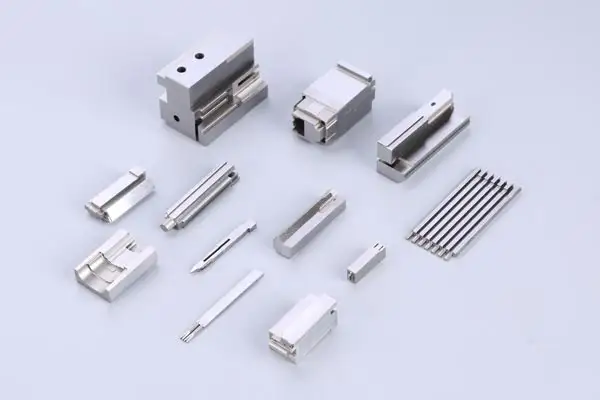
Precision machined components feature tight dimensional tolerances and fine surface finishes. Even minor oxidation or surface rust can compromise assembly precision, leading to higher reject rates. Establishing corrosion prevention protocols across material selection, machining, cleaning, packaging, and storage is essential for safeguarding product quality and minimizing supply chain costs.
Source Prevention: Material Selection and Cutting Fluid Management
Corrosion control begins at the manufacturing source. Selecting suitable materials based on operational environments reduces downstream protective requirements. For parts exposed to harsh corrosive media or high-humidity environments, stainless steel, aluminum alloys, or titanium alloys offer strong inherent resistance. For carbon steel or alloy steel components, anti-corrosion processes should be integrated directly into the initial design stage.
Cutting fluid management during machining plays a critical role. Degraded coolant, declining pH levels, or insufficient concentration directly attack metal surfaces. Regular monitoring of coolant concentration and pH, along with prompt removal of tramp oil and swarf, prevents bacterial growth and preserves the coolant's lubricating and anti-rust properties.
Protective Barriers: Surface Treatment Options
After machining, matching surface treatment processes to the component material and operating environment builds an effective protective layer:
Chemical Passivation: Suitable for stainless steel. It dissolves surface free iron and promotes the formation of a dense chromium oxide film, enhancing self-passivating corrosion resistance.
Anodizing: Designed for aluminum alloys. It forms a hard, wear-resistant, and corrosion-resistant oxide layer while improving electrical insulation properties.
Electroplating and Electroless Plating: Techniques like zinc, nickel, or chrome plating deposit a protective metallic layer onto substrates like carbon steel, offering physical barrier protection and sacrificial anodic protection.
Black Oxide and Phosphating: Commonly used for tooling and structural parts. These cost-effective options provide foundational, short-term rust protection after oil immersion.
Process Integration: Precision Cleaning and VCI Protection
Residual coolant, moisture, and metal particles remaining on part surfaces accelerate oxidation after machining. Implementing standardized inter-process anti-rust protocols is necessary:
Precision Cleaning and Drying: Utilize ultrasonic or solvent cleaning to remove oils and fine particulate matter completely, followed by thorough drying to eliminate surface moisture.
Applying Protective Media: Apply thin-film rust preventatives, water-displacing oils, or water-based rust inhibitors depending on the timeframe before downstream processing.
Vapor Corrosion Inhibitor (VCI) Packaging: For long-distance shipment or extended storage, seal components in VCI bags or papers. Volatile inhibitor molecules attach to microscopic surface pores, blocking contact with moisture and oxygen.
Environmental Control: Storage and Human Handling Precautions
Storage environments and handling standards directly dictate anti-corrosion efficacy. Storage facilities require proper ventilation, relative humidity held below 60%, and stable temperatures to prevent surface condensation caused by sudden thermal fluctuations.
Bare-hand contact remains a major cause of localized pitting and fingerprint corrosion. Operators must wear gloves during inspection, assembly, and packaging to prevent sweat salts from contacting component surfaces.
Frequently Asked Questions (FAQ)
Q: How can we address assembly issues caused by hard-to-clean rust preventative oils on precision components? A: Switch to thin-film, low-residue oils or Vapor Corrosion Inhibitor (VCI) packaging. VCI bags eliminate the need for surface oil coatings entirely, allowing parts to move directly to assembly or coating upon unpacking without requiring degreasing.
Q: Why do aluminum precision parts develop white spots or pitted corrosion after machining? A: This typically stems from overly alkaline cutting fluid or incomplete drying after washing. Residual acid or alkali media and water spots react with air to cause oxidation. Adjusting cutting fluid pH and tightening ultrasonic cleaning and drying procedures resolves this issue.Q: How is the corrosion resistance of precision machined components evaluated?A: Industry standards rely on Neutral Salt Spray (NSS) testing, damp-heat testing, and cyclic immersion testing. These methods measure the time elapsed before the appearance of initial rust spots, validating the reliability of surface treatments and rust prevention processes.


Request A Quote
We offer one-stop consulting services from design to mass production, ready to answer your questions anytime!


In This Article
Related Posts
How to Improve Precision Cutting Efficiency: A Full-Link Solution for Process Optimization and Intelligent Manufacturing
2026-09-18
CNC Prototype Machining Guide: Turning Concepts into Precision Parts
2026-09-15
How CNC Achieves Micron Accuracy
2026-09-08
Precision Machined Components Corrosion Control Guide
2026-09-03


